
A wheelchair lift for the level change a ramp can’t reach — porches, decks, split-level entries and raised landings, indoors or out.
A vertical platform lift — also called a wheelchair lift or porch lift — is an open platform that travels straight up and down a short distance, typically between a walkway and a raised entry. The user rolls on in a wheelchair or scooter, rides up, and rolls off. No transfer, no standing, no stairs.
It occupies the gap between two other solutions. A ramp needs a long, gentle run to be safe, and Seattle lots very often don’t have the space for one. A residential elevator is a construction project. A platform lift solves a rise of a few feet with a compact footprint and comparatively little building work — which is why it’s so often the right call for a Puget Sound entry.
The distinguishing feature is simple: the user never has to leave their chair. That one difference rules a platform lift in or out faster than anything else.
Platform lifts are only part of what we do. Here is recent work from across our services — the same crew, the same permitting and the same install standard you would get on a platform lift.
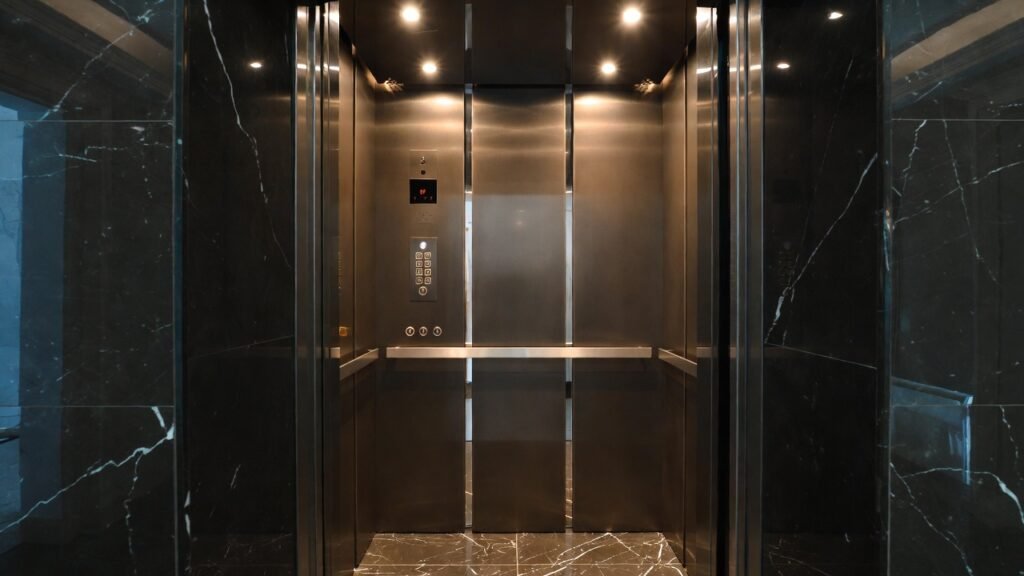
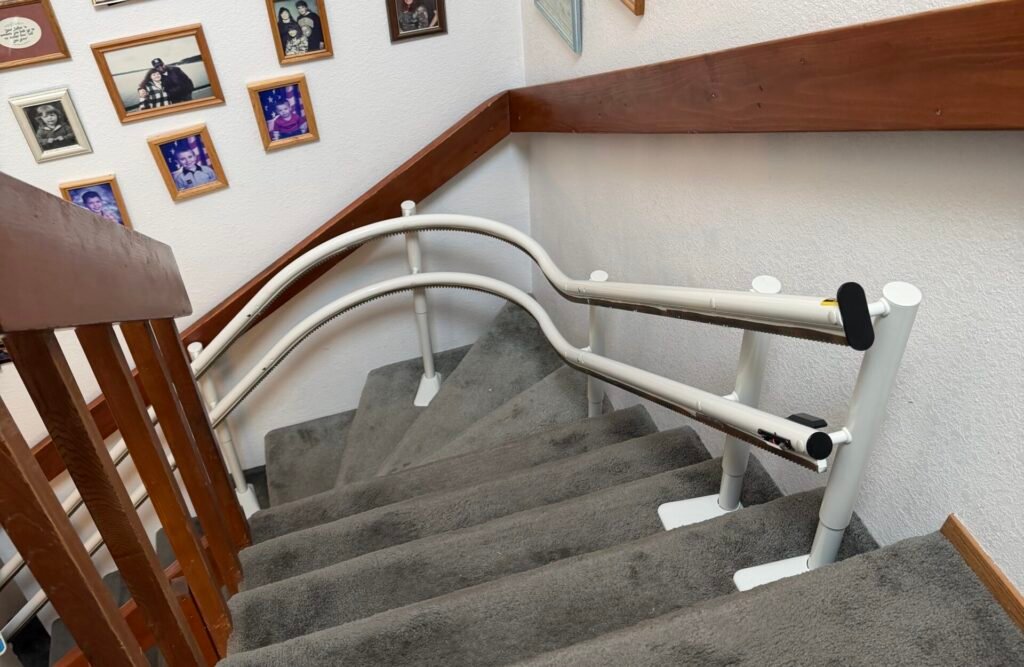
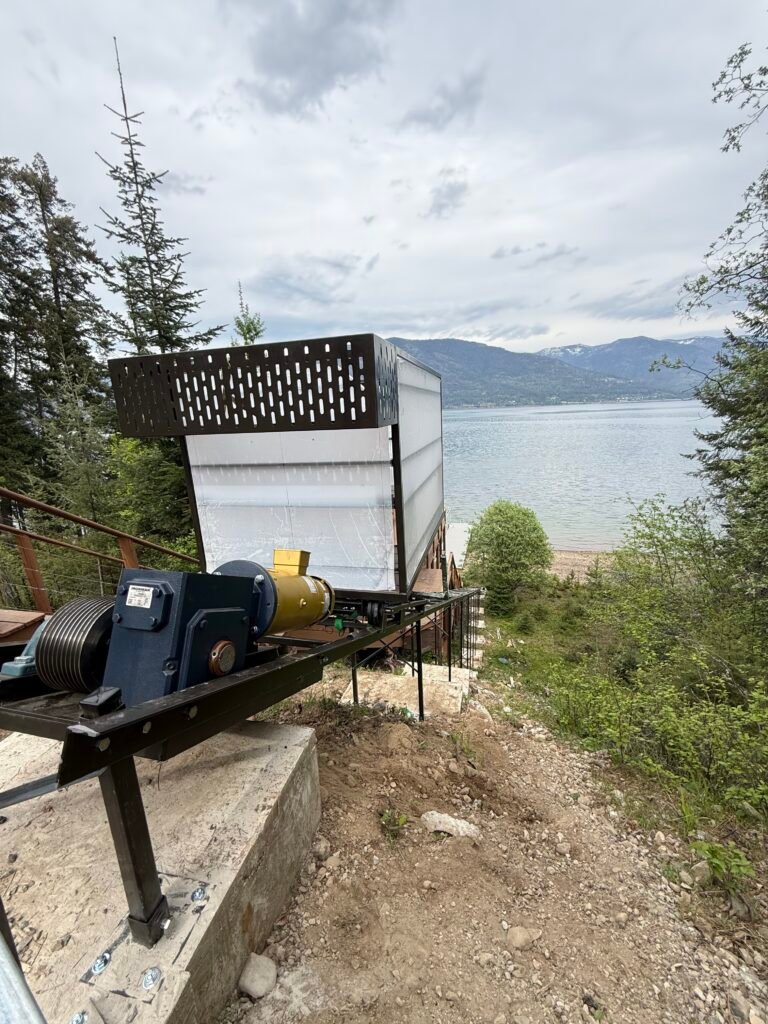
Residential platform lifts are designed for short rises — commonly up to around a storey. Beyond that a residential elevator is usually the more appropriate and more comfortable solution. We’ll measure the actual rise and tell you which category you’re in.
It depends entirely on the rise. Ramps must be built at a gentle enough slope to be safe, which means every inch of rise demands a substantial length of ramp — and most Seattle and Eastside lots run out of room quickly. For a rise of more than a couple of steps, a platform lift usually takes far less space.
Yes. Outdoor models use sealed components, corrosion-resistant hardware and weather-rated controls, and they’re a common choice for exposed front porches and decks. Drainage around the base is designed in at survey.
A stairlift carries a seated passenger along a staircase; the rider has to transfer onto the seat. A platform lift carries a wheelchair or scooter straight up with the user still in it. If someone can’t transfer independently, a stairlift isn’t a solution and a platform lift may well be.
Yes. Inside Seattle city limits, SDCI is the permitting authority for elevator equipment; elsewhere on the Eastside the elevator permit comes from Washington State L&I with the city issuing the building permit. We handle the permitting either way.
Yes. We repair and maintain platform lifts, stairlifts and residential elevators across all major brands, whoever installed them originally.
Tell us the rise, the space you have, and whether a wheelchair is involved — that’s usually enough for us to point you to the right answer.